
From Limited Movement to Active Living: A Patient’s Journey with Joint Replacement Surgery
From Limited Movement to Active Living: A Patient’s Journey with Joint Replacement Surgery
3/30/20262 min read
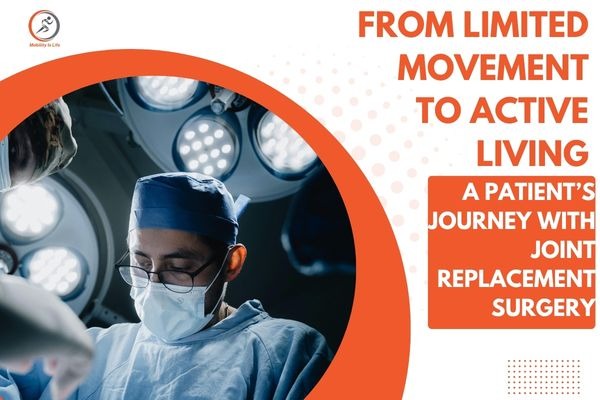

Introduction: When Joint Pain Disrupts Everyday Life
At 67, Prabir Chatterjee had always been active and independent. Whether it was taking morning walks, managing errands, or spending time with family, he enjoyed a routine filled with movement.
However, over the past few years, persistent joint pain began to affect his daily life. What started as mild discomfort gradually progressed into severe pain and stiffness. Walking became difficult, climbing stairs was exhausting, and even sitting or standing for long periods caused discomfort.
The loss of mobility began to affect not only his physical health but also his confidence and independence.
Struggles and Failed Treatments
Like many individuals seeking joint pain relief, Prabir initially tried conservative treatment options:
Pain medications
Physiotherapy sessions
Lifestyle changes
Despite his efforts, the pain continued to worsen. His mobility reduced significantly, and everyday activities became challenging. The emotional burden of depending on others made the situation even more difficult.
Consultation and Diagnosis
Determined to find a long-term solution, he consulted Dr. Sabyasachi Bardhan, an experienced orthopedic surgeon specializing in joint replacement.
After a thorough clinical examination and imaging tests, he was diagnosed with advanced Osteoarthritis. This condition had caused severe damage to his joint cartilage, leading to chronic pain and limited mobility.
Dr. Bardhan explained the condition clearly and outlined the most effective osteoarthritis treatment options.
The Decision: Choosing Joint Replacement Surgery
Given the severity of joint damage, Joint Replacement Surgery was recommended as the most reliable solution.
Initially, Prabir felt uncertain about undergoing surgery. However, the doctor’s reassurance, expertise, and detailed explanation of the procedure helped him overcome his fears.
With growing confidence, he decided to proceed with the treatment.
Understanding Joint Replacement Surgery
Joint replacement surgery involves replacing the damaged joint with an artificial implant designed to restore smooth movement and reduce pain.
Key benefits include:
Significant pain relief
Improved joint function
Enhanced mobility and independence
Long-lasting results
Modern orthopedic advancements ensure safer procedures and faster recovery, making it a trusted solution for advanced joint conditions.
Recovery Journey: Step-by-Step Progress
Following a successful surgery, Prabir’s recovery journey was steady and encouraging:
Within a few days, he began walking with support
With regular physiotherapy, his strength and flexibility improved
Within weeks, he resumed most of his daily activities
Each milestone brought renewed confidence and independence, marking a positive transformation in his life.
Final Outcome: A Return to Independence
Today, Prabir Chatterjee is living a more active and comfortable life. He can walk without pain, manage his daily routine independently, and enjoy time with his family once again.
His journey highlights the effectiveness of modern joint replacement surgery and the importance of timely intervention.
Frequently Asked Questions (FAQ): Joint Replacement Surgery
When is joint replacement surgery necessary?
It is recommended when chronic pain caused by Osteoarthritis does not improve with medications, physiotherapy, or other treatments and significantly affects daily life.
Is joint replacement surgery safe?
Yes, it is a well-established and safe procedure when performed by an experienced orthopedic surgeon, with minimal risks.
How long does recovery take?
Most patients begin walking within a few days and return to normal activities within 4–6 weeks, depending on individual recovery.
How long do joint implants last?
Modern implants typically last 15–20 years or more with proper care and an active lifestyle.
Can elderly patients undergo joint replacement?
Yes, age is not a barrier. Overall health condition and mobility goals are more important factors.
Conclusion: Take the First Step Towards Pain-Free Living
Chronic joint pain can limit your independence and reduce your quality of life. However, with expert care from specialists like Dr. Sabyasachi Bardhan, effective solutions are available.
Prabir’s journey is a powerful reminder that the right treatment at the right time can restore mobility, confidence, and joy.
If joint pain is affecting your daily life, seeking timely medical advice can help you regain control and move toward a healthier, more active future.
Dr. Sabyasachi Bardhan
Dr. Sabyasachi Bardhan is a leading orthopedic surgeon specializing in joint replacement, trauma, and arthroscopy—offering advanced care with 3D Robotics, AI & Mixed Reality for faster recovery and lasting results.
Useful Link
Contact Us
© 2025. All rights reserved.